Miswak: Between Hadith and Medical Studies
Exploring the intersection of Islamic tradition and modern science, this article examines how contemporary research validates the benefits of miswak mentioned in prophetic teachings.
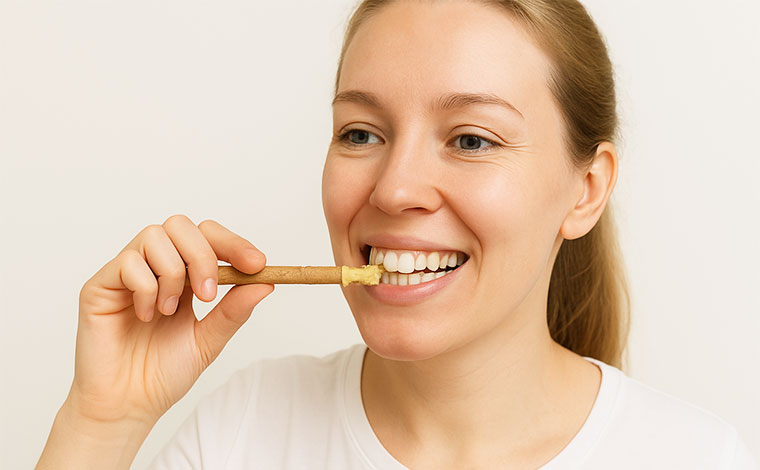
Bridging Faith and Science
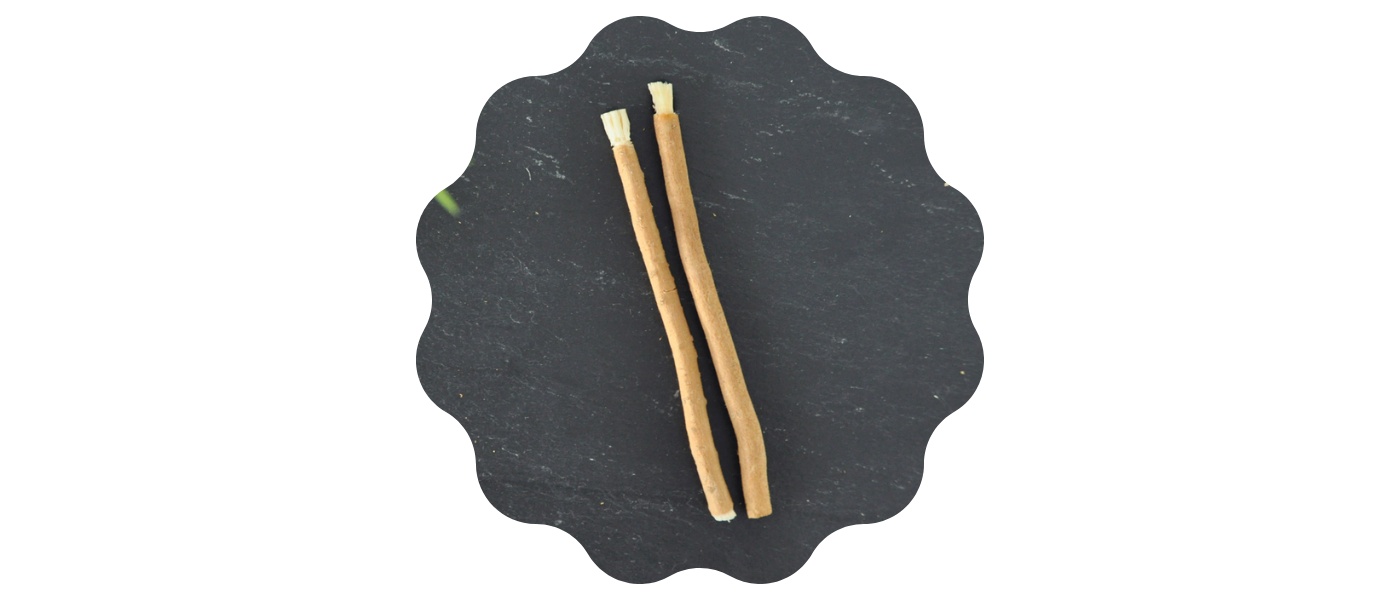
There are several studies worth mentioning, though we don’t claim they support our belief in miswak – it is sufficient for us what has been established from the love of the Messenger of Allah (peace be upon him) for the miswak and his encouragement to use it. However, there is no harm in familiarizing ourselves with human intellects and what modern research has reached in this matter.
Academic Research on Miswak
One of the professors in a university thesis about miswak at a dental college says: Some universities recommend finger massage for the gums to stimulate blood flow in the gum tissue, and this is very clear when using miswak, as miswak is used as a gum massage tool.
Commercial Recognition
Dr. Baqir Al-Attar at Damascus University says: I learned from Dr. Al-Ayoubi that Professor Halbawi, the agent of a toothpaste company, is considering producing a paste that will be called “Al-Miswakin.” Indeed, this is very famous and available in Europe and America, and I believe it’s called “Quality Miswak.”
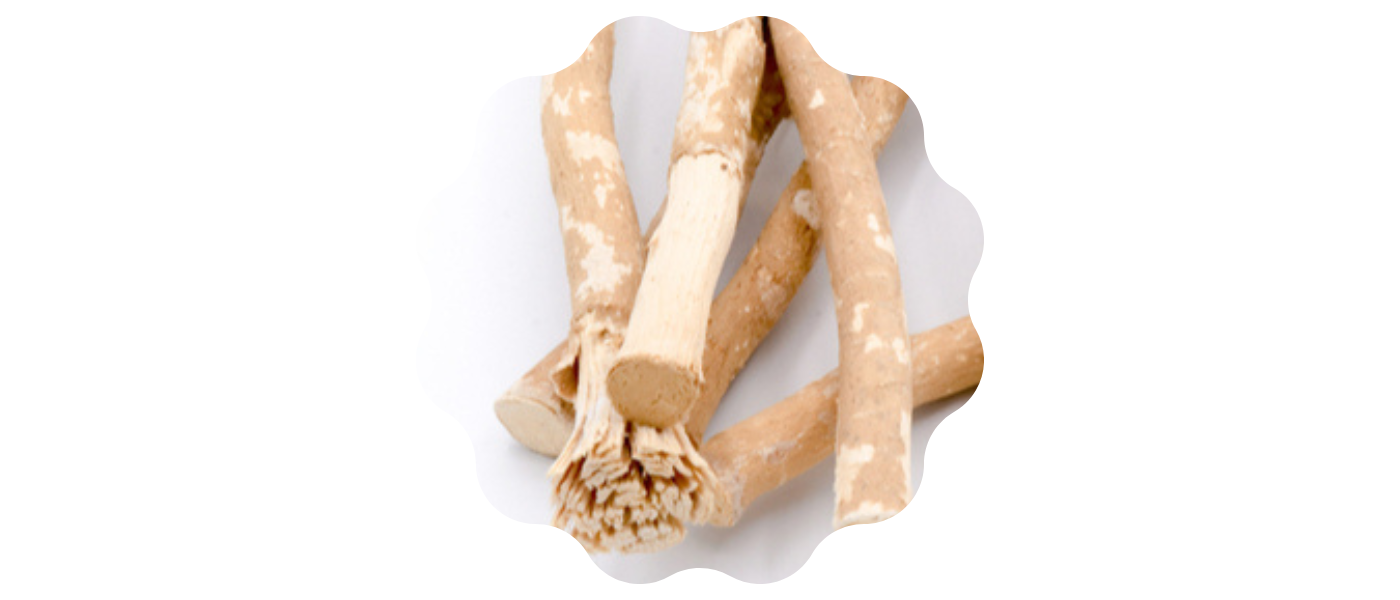
There is another type of toothpaste called “Miswak,” which is very famous and available everywhere. In the magazine “Your Doctor,” there is an article with a recommendation from the Dental Treatment Association of the American Dental Association recommending the use of sodium bicarbonate for dental treatment, which is one of the components of miswak.
Chemical Composition
One doctor wrote about miswak saying: If we look at miswak, we find that it is chemically composed of cellulose fibers and many types of components that don’t need detailed explanation now.
Global Market Penetration
“Arak miswak is invading English markets, and the Arak tree is called by Westerners the tree of Muhammad (peace be upon him).”
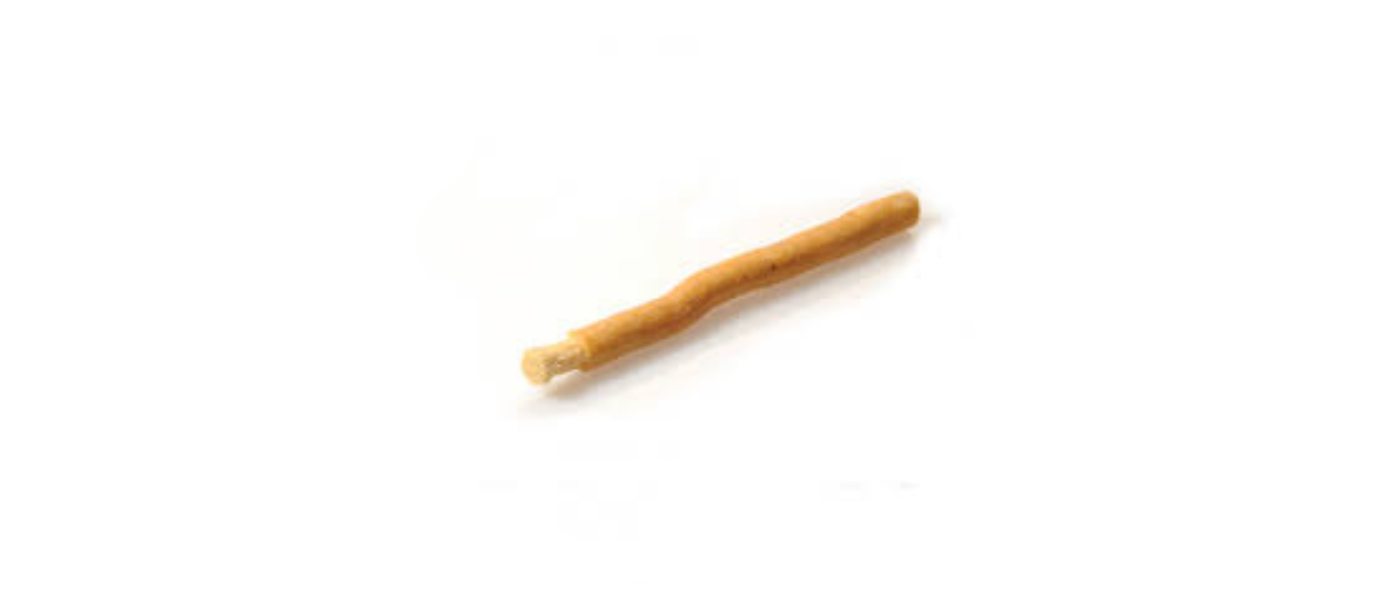
A magazine article titled “Arak Miswak Invades English Markets” was followed by three headlines:
- First Headline: Scientific research proves Arak’s effective role in combating tooth decay and its magical effect in avoiding many ailments and diseases
- Second Headline: Arak stick sells for one pound sterling in dried plant shops in England
- Third Headline: The Institute of Bacteriology and Epidemiology in Democratic Germany has found that the extract from the Arak tree has an effective impact like some antibiotics
Western Scientific Validation
German Research
A scientist named Raudat, who is the director of bacteriology and epidemiology at Rostock University in East Germany, says in the German magazine “Al-Majalla”: There is much wisdom in the Arabs’ use of miswak after wetting it with water, because using it dry doesn’t succeed due to the antibacterial substance it contains. If used dry, saliva can dissolve this substance found in it.
Dental Health Studies
Dr. Mani says: Erosion of hard dental tissues is severe if the brush is dry, but if it’s wet, the damage is minimal. Therefore, it is recommended to wet the miswak.
Dr. Kliklesen says: Miswak contains a substance that prevents tooth decay. He stated this at the 52nd conference of the International Society for Dental Research in Atlanta, America. Britain and India manufacture toothpastes that incorporate substances derived from miswak.
American Military Research
The American Dental Association (ADA) for the United States Army conducted experiments that proved the effectiveness and superiority of the bristles that make up the miswak material. The American Dental Journal announced in 1960 that most pastes used in the United States are non-medical.
Miswak contains quantities of hard crystals that act as a cleaning agent to scrape away tartar – the yellow buildup that forms on teeth – which is present in miswak at a high rate of 4%, as well as other salts that have their effectiveness.
University of Minnesota Findings
The University of Minnesota in America found in its research that Muslim Africans who use miswak have healthy teeth and gums compared to those who use brushes.
Spiritual and Physical Benefits
Among the advantages of miswak are:
- It pleases the Lord
- It is a Sunnah from the Sunnahs of natural disposition (Fitrah)
- It is a Sunnah from the Sunnahs of the Prophet (peace be upon him)
- It purifies the pathways of speech when reciting the Quran
- The angels love it
- It provides complete oral hygiene naturally
- It contains antibacterial properties validated by modern science
Conclusion: Harmony of Tradition and Science
The convergence of prophetic tradition and modern scientific research demonstrates that the practice of using miswak, encouraged over 1400 years ago, aligns perfectly with contemporary dental health principles. This harmony between faith and science reinforces the timeless wisdom found in Islamic teachings and validates the holistic approach to oral care that miswak represents.
Explore More Islamic References
Discover the rich Islamic heritage and prophetic teachings about miswak and oral hygiene.
Source: Book of Miswak and Sunnahs of Natural Disposition – Al-Muqaddam